

When buyers search for cotton fabric wholesale, they usually want one thing: a reliable fabric that performs in real production—cutting, sewing, washing, and repeat orders.
For women’s apparel, cotton remains a top choice because it offers:
-
Breathability and comfort (especially for warm climates)
-
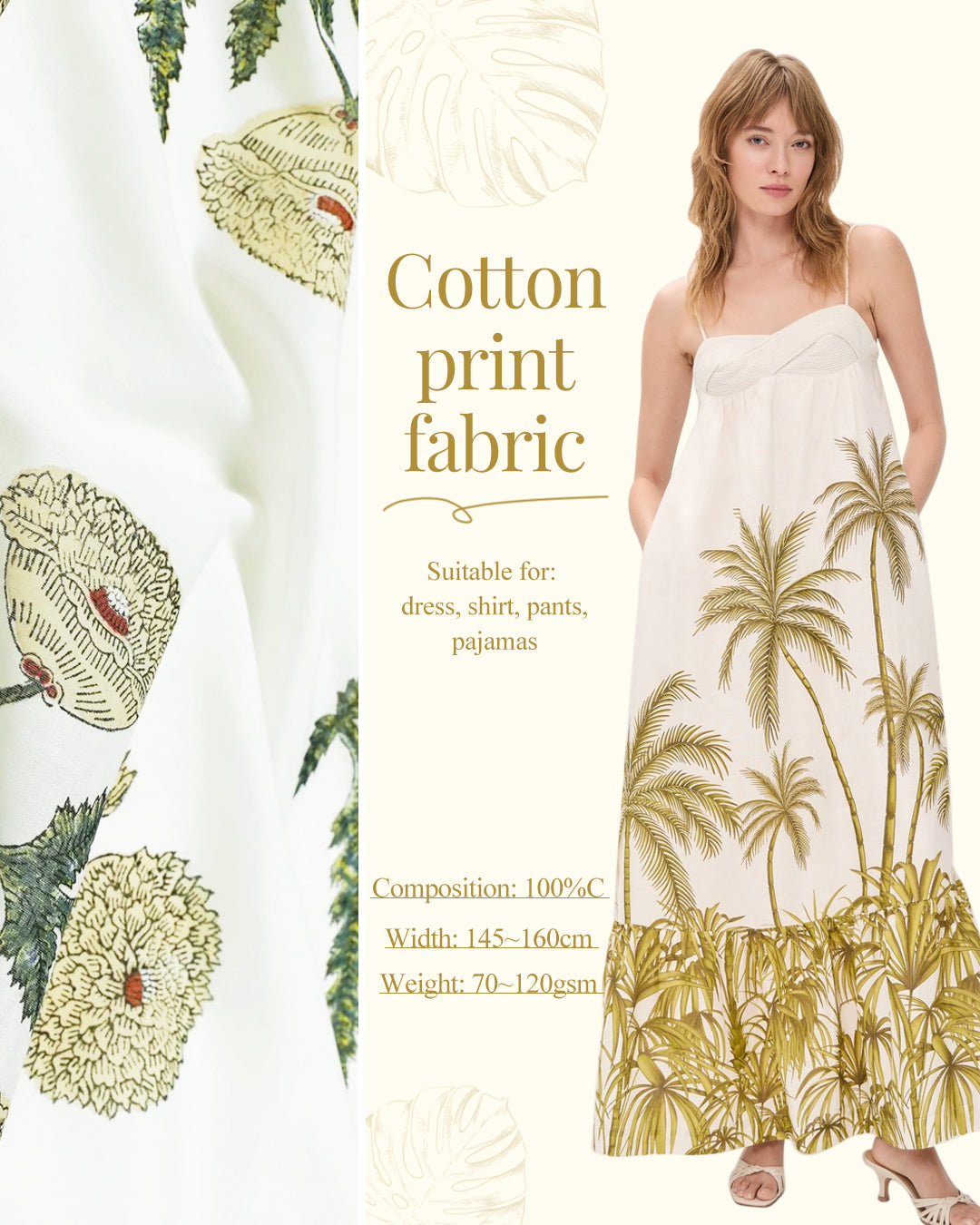
Versatility across product categories (dress, shirt, pants, pajamas)
-
Strong market acceptance in both mass and premium segments
But bulk sourcing cotton is not just “pick a color, choose a price.” The real difference between smooth production and constant claims comes down to measurable specs and process control.
“In bulk production, consistency beats ‘nice handfeel.’ Stable width, stable GSM, and controlled shrinkage reduce most factory problems.”
What “Woven Cotton Fabric” Means for Bulk Buyers
Woven cotton fabric is produced on looms using warp and weft yarns. Compared to knitted cotton, woven structures tend to be more stable and easier for garment factories to handle in mass cutting and sewing.
Common women’s apparel uses:
-
Dresses: casual, resortwear, shirt dresses
-
Shirts/blouses: crisp styles or soft silhouettes
-
Pants/shorts: lightweight twill or structured poplin
-
Pajamas/loungewear: breathable comfort fabrics
Key Specifications You Must Confirm Before Ordering
1) Composition
Most buyers choose:
-
100% Cotton (classic breathable feel)
-
Optional blends (for wrinkle resistance or strength)—only if your end market accepts blends
2) Width (Finished / Usable)
Typical finished width: 145–160 cm
Always confirm usable width after finishing, not just greige width.
3) Weight (GSM)
A practical buyer range for women’s apparel:
-
70–100 gsm: lightweight dresses, blouses, pajamas (may be semi-sheer)
-
100–130 gsm: balanced for most dresses and shirts
-
130–160 gsm: better coverage/structure (shirt dresses, casual pants)
4) Handfeel & Finish
Ask if the fabric is:
-
Pre-shrunk / sanforized
-
Softened (and whether softener affects sewing)
-
Garment-wash friendly
The Biggest Risk in Cotton: Shrinkage (and How to Control It)
Shrinkage is the #1 reason buyers face claims, size issues, or pattern mismatch.
What to request from your supplier:
-
Shrinkage report (wash method must match your market standard)
-
Pre-shrunk finishing option
-
Fabric relaxation advice before cutting (especially for light cottons)
Buyer tip: Test shrinkage on the same color, same lot, same finishing planned for bulk.
When to Choose Embroidered Cotton Fabric (Cotton Embroidery Fabric)
If your customers want “more than plain cotton,” embroidered cotton fabric (also called cotton embroidery fabric) adds texture and higher perceived value—especially for women’s summer dresses.
Common Google long-tail searches (useful for your site):
-
embroidered cotton fabric wholesale
-
cotton embroidery fabric supplier
-
broderie anglaise cotton fabric
-
cotton eyelet fabric wholesale
-
schiffli embroidered cotton fabric
-
embroidered cotton fabric for dresses

Why buyers choose embroidery:
-
Premium look without changing cotton comfort
-
Better differentiation than common prints
-
Strong boutique and resortwear demand
Bulk Quality Checklist (Factory-Friendly)
Before confirming bulk:
-
GSM tolerance (agree on acceptable range)
-
Width tolerance (confirm usable width)
-
Colorfastness (washing + rubbing)
-
Shrinkage report (matched wash standard)
-
Roll inspection standard (4-point system or agreed defect allowance)
-
Shade band (for repeat orders or large lots)
Why Work With a Specialized Women’s Fabric Exporter
For wholesalers, factories, and fashion brands, the best supplier is one who can support your production—not just sell fabric.
A strong exporter should provide:
-
Stable bulk supply and repeatable quality
-
Multi-weight options for seasons
-
Plain cotton + printed cotton + embroidered cotton in one sourcing line
-
Fast sampling and clear specs sheets for your tech team
FAQ
Q1: What is the best GSM for cotton dresses?
Most buyers choose 100–130gsm for balance. 70–100gsm is airy but may need lining.
Q2: What should I check before bulk cotton orders?
Confirm GSM, usable width, shrinkage, fastness, roll inspection standard, and shade consistency.
Q3: When should I choose embroidered cotton fabric?
When you need a premium look (boutique/resortwear) and better differentiation than prints.



Leave a comment
This site is protected by hCaptcha and the hCaptcha Privacy Policy and Terms of Service apply.