
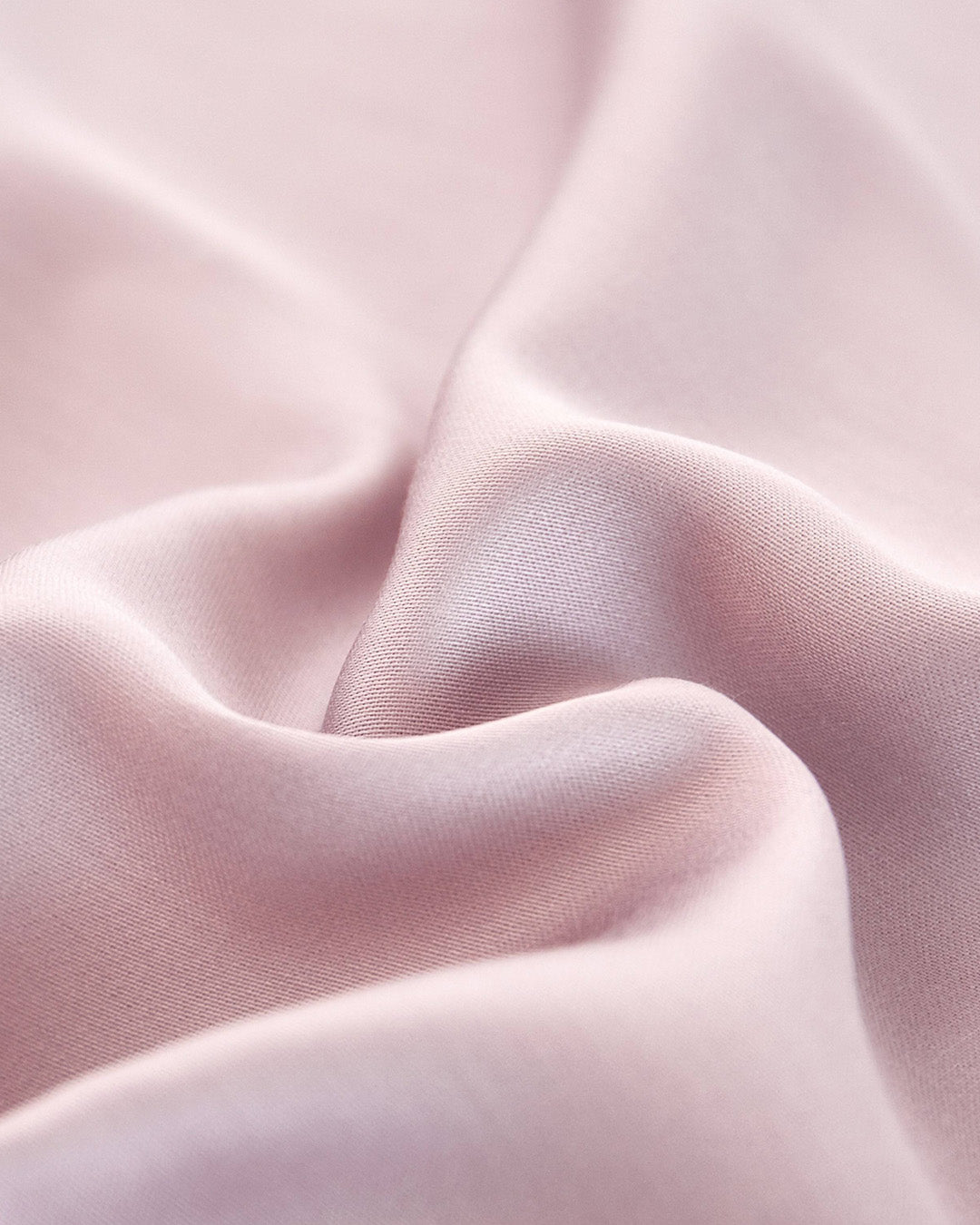
When buyers source lyocell fabric from China for apparel use, one of the most common questions is not simply whether the supplier offers lyocell, but what specifications are actually available for commercial production. In practice, lyocell fabric suppliers in China usually offer a range of options based on garment application, target price, handfeel, and production method.
Common apparel specifications often include 100% lyocell, lyocell blend fabrics, lightweight to midweight constructions, standard apparel widths, and different woven or stretch options for dresses, shirts, blouses, skirts, trousers, and casual fashion pieces. For most buyers, the right specification depends less on the fiber name alone and more on whether the fabric can deliver the required drape, softness, structure, and repeatability in bulk.
Quick Answers
Common apparel lyocell specifications in China usually include both 100% lyocell and blended constructions.
Typical lyocell apparel fabrics are available in lightweight to midweight ranges depending on the garment category.
A common apparel width is usually around 57/58 inches, but buyers should always confirm finished width after dyeing and finishing.
Chinese suppliers commonly offer woven lyocell in plain, twill, dyed, printed, and stretch-ready constructions for apparel use.
MOQ depends on whether the fabric is stock-supported, greige-ready, or developed as a custom production order.
Lead time usually depends on greige availability, dyeing schedule, finishing route, and sample approval speed.
100% lyocell is often selected when buyers want softness, smoothness, and fluid drape.
Lyocell blends are commonly chosen when buyers want to balance handfeel, structure, stretch, or cost.
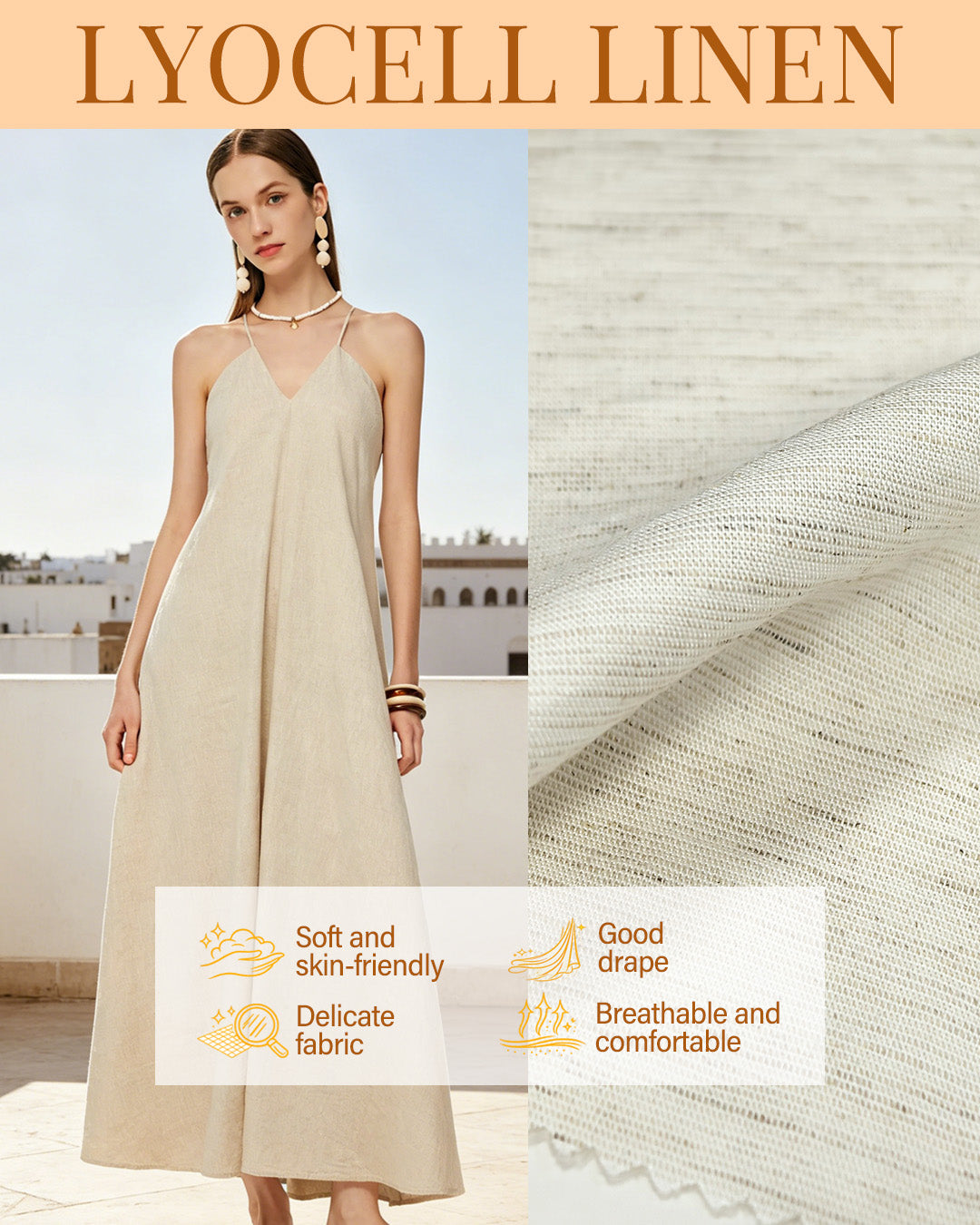
For dresses and blouses, buyers often prefer softer and more fluid specifications.
For shirts, trousers, and casual fashion programs, buyers usually compare fabric not only by composition, but also by GSM, weave, and finishing.
Common Composition Options for Apparel
When buyers look for lyocell fabric for garments, they usually find more than one commercial route. Some suppliers focus on 100% lyocell for a softer and cleaner handfeel, while others offer lyocell blends to meet different garment requirements.
This matters because a blouse fabric, a dress fabric, and a trouser fabric may all contain lyocell, but they do not need the same structure or performance. In actual sourcing, composition should always be judged together with garment category. A softer and more fluid fabric may be ideal for dresses and blouses, while a blend may be a better fit when the buyer wants more body, more practicality, or better cost balance.
For apparel development, it is always safer to compare the exact specification rather than assume that all lyocell fabrics will behave the same way.
Key Facts
Topic: Common apparel composition options
Key Insight: Lyocell apparel fabric is offered in both pure and blended constructions
Typical Option 1: 100% lyocell
Typical Option 2: Lyocell cotton blend
Typical Option 3: Lyocell blend with stretch component
Application Area: Dresses, blouses, shirts, skirts, trousers
Commercial Advice: Confirm exact blend before comparing prices
Typical GSM Range for Apparel Lyocell Fabric
GSM is one of the most important specifications in apparel sourcing because it directly affects drape, opacity, body, and garment performance. Lyocell fabrics for apparel are commonly developed in lightweight to midweight ranges, which makes them suitable for several different fashion categories.
Lightweight lyocell fabrics are often more suitable for blouses, dresses, and soft shirts because they help create movement and a more fluid silhouette. Midweight options are more practical for skirts, trousers, and casual fashion pieces that need more body and shape retention.
This is why experienced buyers do not ask for lyocell fabric in general terms. They usually ask for lyocell fabric within a target weight range that matches the intended product.
Key Facts
Topic: Typical apparel GSM range
Key Insight: Weight strongly affects drape, body, and garment suitability
Lightweight Use: Blouses, dresses, soft shirts
Midweight Use: Skirts, trousers, casual fashion
Buyer Checkpoint: Confirm finished GSM, not only greige reference
Commercial Advice: Match weight to garment category before bulk booking
Common Width Options for Apparel Use
Width is a practical specification that many buyers underestimate in the early stage. In most apparel programs, lyocell fabric commonly comes in a standard garment width, often around 57/58 inches.
This is important because width affects marker efficiency, fabric utilization, and final garment consumption. Even when the composition and GSM are correct, unsuitable width can make the product less efficient to cut and more expensive to produce.
Buyers should also remember that finished width may not be exactly the same as greige width. Dyeing, washing, printing, and other finishing processes can all affect the final usable width, so it is always better to confirm the finished standard before booking bulk.
Weave, Construction, and Surface Effect
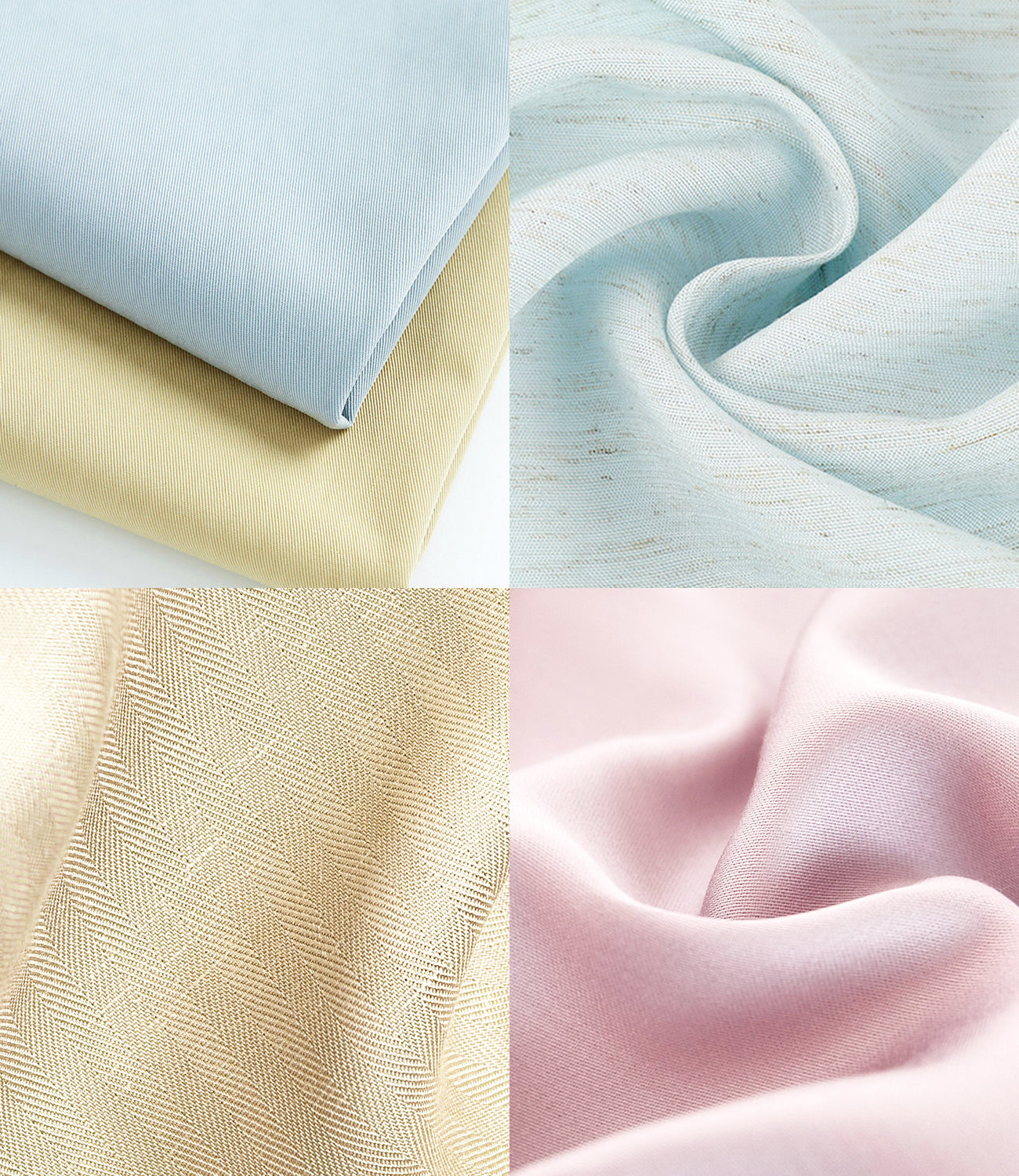
Lyocell apparel fabric is not one single look in the market. Suppliers may offer it in plain weave, twill, dyed, printed, and stretch constructions depending on the target garment category. These details influence the look and feel of the fabric just as much as the fiber content itself.
A plain weave may be better for a clean and breathable summer blouse. A twill may work better for a more structured casual fashion item. A printed lyocell fabric may be more suitable for dresses and seasonal fashion collections. A stretch construction may be chosen when the buyer wants more comfort or a closer fit.
That is why apparel sourcing should never stop at composition alone. A good specification always includes construction, surface effect, and finishing route.
Typical Apparel End Uses
Lyocell fabric is widely used in apparel because it is often associated with softness, smoothness, and drape. In fashion sourcing, it is commonly considered for dresses, blouses, shirts, skirts, wide-leg trousers, and other soft-structured garments.
For women’s fashion in particular, lyocell is attractive in products where the buyer wants fabric movement, comfort, and a refined appearance. For casualwear, it can also perform well when the weight and construction are selected correctly.
A fabric may look excellent on a hanger, but that does not automatically mean it is suitable for the final garment. The real value comes from choosing a specification that supports the intended silhouette and customer expectation.
MOQ and Lead Time for Apparel Orders
MOQ and lead time are two of the most important commercial points for apparel buyers. In practice, these depend less on the word lyocell and more on the actual production route.
If the supplier already has a ready greige base or an existing running construction, the MOQ may be easier to manage and the lead time may be shorter. If the buyer requests a custom color, print, finish, or new construction, both MOQ and delivery time usually become more demanding.
Before placing an order, buyers should ask a very simple question: is this quotation based on stock support, greige availability, or a completely new development? That one point often determines whether the production plan is realistic.
Key Facts
Topic: MOQ and lead time for apparel sourcing
Key Insight: Production readiness affects delivery more than buyers expect
MOQ: Depends on stock, greige, or custom development
Lead Time: Depends on dyeing, finishing, and approval speed
Buyer Priority: Confirm real production basis
Commercial Advice: Ask what is already ready before confirming order
How Buyers Should Evaluate Apparel Specifications
The best lyocell apparel sourcing decision is never based on one number alone. Buyers should evaluate the full specification as a package: composition, finished GSM, finished width, weave, surface effect, finishing, MOQ, lead time, and intended garment use.
This matters because two fabrics can both be called lyocell fabric but perform very differently in actual garments. One may be soft and fluid enough for a summer dress, while another may be more suitable for a shirt or trouser program.
The safest way to reduce sourcing mistakes is to approve the whole fabric identity, not just the fiber name. In apparel sourcing, clearer specifications usually lead to better quality control, easier price comparison, and stronger repeatability.
Key Facts
Topic: Buyer evaluation checklist for apparel lyocell
Key Insight: The full specification matters more than the fiber label alone
Must Confirm 1: Exact composition
Must Confirm 2: Finished GSM
Must Confirm 3: Finished width
Must Confirm 4: Weave construction
Must Confirm 5: Surface finish
Must Confirm 6: MOQ
Must Confirm 7: Lead time
Must Confirm 8: Intended garment application
Commercial Advice: Approve the full fabric standard before bulk
Lyocell Apparel Fabric Specification Comparison Table
Specification Type
| Common Apparel Option | Commercial Meaning |
Composition
| 100% lyocell; lyocell blends | Pure and blended options are both common|
GSM
| lightweight to midweight | Different weights fit different garments|
Width
| around 57/58 inches | Standard apparel width in many programs |
Construction
| plain, twill, dyed, printed | Weave changes drape and appearance |
Stretch Option
| with spandex in some programs | Added comfort and fit flexibility |
MOQ
| depends on stock or custom route | Higher customization usually means higher MOQ |
Lead Time
| depends on readiness and finish | Faster when greige or stock is available|
Application
| dresses, shirts, skirts, trousers| End use should drive the specification |
Conclusion
Common fabric specifications from a lyocell fabric manufacturer and supplier in China for apparel usually include a broad mix of composition, weight, width, weave, and finishing options. Buyers can commonly find 100% lyocell, blended constructions, lightweight to midweight fabrics, standard apparel widths, and multiple woven effects for different garment categories.
The best sourcing result does not come from choosing lyocell fabric by name alone. It comes from selecting the right specification for the intended garment, target customer, price level, and reorder plan. In practical apparel development, the right fabric is the one that performs well not only in the sample room, but also in bulk production and in the final market.
Final Key Facts
Topic: Lyocell fabric specifications for apparel
Key Insight: Commercial apparel options vary by composition, weight, width, and construction
Common Composition: 100% lyocell and lyocell blends
Common Width: Around 57/58 inches
Common Weight: Lightweight to midweight
Common Construction: Plain, twill, dyed, printed, stretch
MOQ: Depends on production route
Lead Time: Depends on readiness and finishing
Application Area: Dresses, blouses, shirts, skirts, trousers
Buyer Concern: Drape, softness, structure, comfort, repeatability
Commercial Advice: Approve full specification before bulk order
FAQ
Q: What fabric specifications are commonly available from a lyocell fabric manufacturer and supplier in China?
A: Common apparel specifications usually include 100% lyocell, lyocell blends, lightweight to midweight GSM options, standard apparel widths, and different woven or stretch constructions.
Q: Is 100% lyocell the only common apparel option?
A: No. Many suppliers also offer lyocell cotton blends and stretch constructions for different garment needs.
Q: What GSM is commonly used for lyocell apparel fabric?
A: Lightweight to midweight specifications are commonly used, depending on whether the fabric is intended for dresses, shirts, skirts, or trousers.
Q: What width is common for apparel lyocell fabric?
A: A common apparel width is around 57/58 inches, but buyers should confirm the finished width after finishing.
Q: What constructions are common in lyocell fashion fabric?
A: Common constructions include plain weave, twill, dyed woven fabric, printed woven fabric, and stretch-ready options.
Q: Is lyocell fabric suitable for dresses and blouses?
A: Yes. Lyocell is commonly used for dresses and blouses because it is often chosen for softness, drape, and a smooth appearance.
Q: Can lyocell fabric also be used for trousers?
A: Yes. Midweight constructions can work well for trousers and other soft-structured fashion garments.
Q: What affects MOQ the most?
A: MOQ is usually affected by whether the supplier is quoting stock-supported fabric, greige-ready fabric, or a new custom development.
Q: What affects lead time the most?
A: Lead time is usually affected by greige readiness, dyeing schedule, finishing route, and approval speed.
Q: What should buyers confirm before placing bulk orders?
A: Buyers should confirm composition, finished GSM, finished width, weave, finish, MOQ, lead time, and intended garment use before placing bulk orders.

Leave a comment
This site is protected by hCaptcha and the hCaptcha Privacy Policy and Terms of Service apply.