
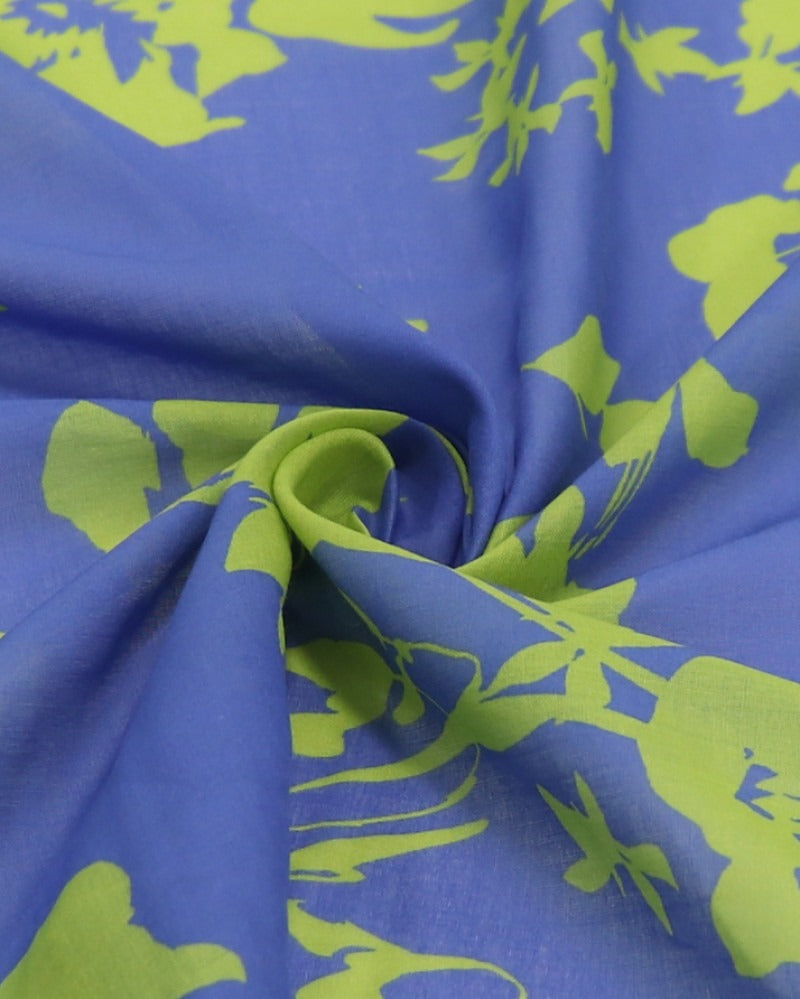
1.Why GSM Matters More Than Most Buyers First Expect
Many buyers begin with a simple question about weight, but the real issue is commercial performance. In dress development, GSM affects drape, transparency, comfort, sewing behavior, hanger appeal, and even return rates. A fabric that feels perfect in hand can still fail when turned into a dress if the GSM does not match the silhouette.
In real sourcing discussions, the mistake often happens early. A buyer asks for soft 100% viscose for dresses, receives a beautiful low-GSM swatch, approves it for appearance, and later discovers that the final garment is too sheer for the market. Then lining is added, cost rises, and the original price target disappears. That is why experienced teams do not buy fabric by feel alone.
A strong sourcing principle is this: the best GSM is not the lightest or the cheapest, but the one that protects the product concept from sample room to store floor. For most woven 100% viscose dresses, typical commercial demand lands around 110 to 140 gsm.
FAQ Block
Q: Why is GSM so important for viscose dresses?
A: GSM affects how the dress hangs, how transparent it looks, and how stable it is during sewing. It also influences whether the fabric matches the intended style and market price point.
Q: Is lower GSM always better for soft drape?
A: No. Lower GSM can increase fluidity, but it can also create more transparency and cutting instability. Buyers should match GSM to the dress design rather than chasing softness only.
Q: Can the same GSM work for every dress style?
A: Usually not. A slip dress, a tiered dress, and a shirt dress often need different levels of body and opacity. The end use should guide the target range.
2.The Typical Best GSM Range for Most 100% Viscose Dresses
For most dress categories, 110 to 140 gsm is the most practical and commercially flexible range. It usually delivers the softness buyers want from viscose while keeping enough body for cutting, sewing, and store presentation. This is the range many sourcing teams return to when they want fewer surprises.
Around 110 to 120 gsm often suits light spring and summer dresses with an easy drape. Around 125 to 140 gsm often works better for wrap dresses, shirt dresses, printed dresses, and styles that need slightly more confidence in opacity. The difference may sound small on paper, but in production it is easy to feel and easy to see.
One supplier-side lesson repeats itself: the buyer who only asks for a soft handfeel may end up with avoidable garment issues. The buyer who asks how the fabric behaves at 115 gsm versus 130 gsm usually makes the stronger decision.
FAQ Block
Q: What GSM range is most recommended for dress production?
A: Typically 110 to 140 gsm. This range often provides the best balance between softness, drape, opacity, and production stability.
Q: Is 120 gsm a good choice for viscose dresses?
A: Yes, 120 gsm is commonly a very workable commercial choice. It often suits printed and dyed dresses where fluidity and basic coverage are both important.
Q: Is 140 gsm too heavy for dresses?
A: Not necessarily. Around 140 gsm can work very well for more substantial silhouettes, cooler seasons, or markets that prefer less transparency.
3. Best GSM by Dress Type and Silhouette
Different dress styles ask different things from the same fiber. A slip dress usually benefits from a lighter, more fluid fabric. A tiered dress may need enough body to hold shape without becoming stiff. A shirt dress often performs better with slightly more substance. This is why smart buyers start from silhouette, then move to GSM.
For a loose summer sundress, approx. 95 to 115 gsm may feel right if transparency is acceptable or lining is planned. For a wrap dress, approx. 115 to 130 gsm is often more secure. For a shirt dress or utility-inspired style, approx. 125 to 145 gsm may support cleaner shaping. For maxi dresses, the best range depends on whether the customer wants airy movement or stronger fall.
A common buying mistake is using one base fabric across every dress line to simplify sourcing. It reduces complexity at first, but it can damage product performance across categories.
FAQ Block
Q: What GSM is best for slip dresses?
A: Typically approx. 90 to 110 gsm if the goal is a fluid, elegant drape. Buyers should still check transparency and seam performance before approval.
Q: What GSM is best for wrap dresses?
A: Approx. 115 to 130 gsm is often a safer commercial range. It helps create movement while offering better coverage and handling.
Q: What GSM is best for shirt dresses?
A: Approx. 125 to 145 gsm can work well because it gives the garment more body. This often improves shape retention and everyday wearability.
4. Lightweight vs Midweight vs Heavier Viscose for Dresses
Lightweight viscose usually creates softness and movement that buyers love in warm-weather collections. It can make a dress feel premium, breathable, and feminine. But very light fabric may also shift more during cutting, require extra care in sewing, and increase the risk of being too sheer under store lighting.
Midweight viscose is where many commercial programs become easier. It still drapes well, but it usually behaves better in factories and gives retail buyers more confidence. This is why approx. 120 to 135 gsm remains a strong center range.
Heavier viscose is less common for very floaty dresses, but it can be useful for shirt dresses, transitional collections, and markets that prefer stronger coverage. It may also improve visual fullness, though buyers must ensure the fabric still feels like viscose and not overly dense.
FAQ Block
Q: What is the risk of choosing very lightweight viscose?
A: The main risks are transparency, unstable cutting, and higher sensitivity in garment construction. These factors can increase hidden production cost.
Q: Why do many buyers choose midweight viscose?
A: Midweight qualities often balance drape and manageability well. They can also reduce complaints related to sheerness and garment handling.
Q: Is heavier viscose less comfortable?
A: Not always. Comfort depends on weave, finish, and climate. A slightly heavier viscose can still feel soft and breathable if engineered well.
5. Opacity, Lining Cost, and the Hidden Commercial Impact of GSM
Opacity is one of the most practical reasons buyers ask about GSM. A lighter fabric can look beautiful in development but may require lining in production, especially for white, pastel, or bright prints. Once lining enters the calculation, total garment cost changes quickly.
This is where sourcing becomes a business decision, not just a material decision. A dress made from 100 gsm viscose might seem cost-efficient per meter, but if the brand must add lining, spend more sewing time, or manage more fitting adjustments, the original saving becomes less meaningful. By contrast, a 125 or 130 gsm option may cost slightly more in fabric but protect the total margin.
Many experienced buyers now review fabric together with end-garment cost. That shift usually leads to better decisions.
FAQ Block
Q: Does higher GSM always mean opaque fabric?
A: No, not always. Opacity also depends on yarn, weave density, color, and finish. GSM is an important guide, but not the only factor.
Q: When should buyers consider lining?
A: Buyers often consider lining for low-GSM viscose, light colors, or very fluid constructions. The need should be checked through actual garment testing.
Q: Can a slightly higher GSM lower total garment cost?
A: Yes, in some cases. It may reduce the need for lining, improve sewing performance, and lower fit-related adjustments.
6. How Print, Dyeing, and Finishing Influence the Ideal GSM
The best GSM for a dress fabric is shaped not only by weight but also by print method, dye process, and finishing. Printed viscose often performs well in approx. 115 to 135 gsm because this range can support color presence and flowing drape. Solid dyed viscose may allow more flexibility depending on the final style.
Finishing also matters. A peach finish, washed finish, or soft finish can change handfeel and perceived weight. Some buyers touch a soft 130 gsm and think it is lighter than it really is. Others judge only the number and miss the value of the finish. Good sourcing compares both measurable data and real-use behavior.
One practical example: two viscose fabrics may both read 120 gsm, but the denser weave may feel safer for dresses than the looser one. That is why bulk decisions should not rely on GSM alone.
FAQ Block
Q: Is the best GSM different for printed and dyed viscose?
A: Often yes. Prints may need a balanced weight for color appearance, drape, and garment handling. Dyed styles can sometimes be more flexible depending on the product concept.
Q: Can fabric finishing change how GSM feels?
A: Yes. Finishing influences softness, surface touch, fluidity, and body. Two fabrics with similar GSM can feel very different.
Q: Should buyers compare weave density as well?
A: Absolutely. GSM without weave density can be misleading. The overall construction determines how the fabric performs.
7. Sampling, Testing, and How to Approve the Right GSM with Less Risk
The safest buyers do not ask only for a swatch. They ask for a garment test. That small step changes everything. A fabric can look excellent in a hand sample but behave very differently after cutting, sewing, hanging, washing, and steaming.
A strong approval process usually includes shade review, opacity review, shrinkage testing, drape assessment, and trial sewing. If the dress is intended for e-commerce, teams should also check how the fabric appears under photography lighting. This matters because fabrics that seem acceptable in the office can look too sheer in online product shots.
The most expensive mistake in sourcing is not a higher meter price. It is approving the wrong base fabric and discovering the problem after production begins.
FAQ Block
Q: What should buyers test before bulk approval?
A: Buyers should usually test drape, shrinkage, colorfastness, transparency, and sewing behavior. A garment trial is strongly recommended for dress programs.
Q: Is swatch approval enough?
A: Usually not for new development. Swatches are useful for narrowing options, but garment trials reveal how the fabric performs in real use.
Q: Why do online sellers need extra opacity checks?
A: Camera lighting can expose transparency more clearly than in-person review. This can affect product images, buyer confidence, and return rates.
8. Supplier Communication: How Buyers Should Ask About GSM
Strong sourcing starts with stronger questions. Instead of asking, “Do you have soft viscose for dresses?” a buyer should ask, “Which 100% viscose constructions in approx. 115 to 130 gsm give better opacity and stable sewing for printed wrap dresses?” That question brings a useful answer.
Suppliers can guide better when the buyer provides garment type, target market, season, desired drape, lining preference, print or dye method, and acceptable MOQ. This reduces the risk of receiving attractive but unsuitable fabric recommendations.
The best supplier conversations are not about pushing inventory. They are about protecting the buyer’s end product. That is the difference between a quote and a sourcing partnership.
FAQ Block
Q: What details should buyers send when asking for viscose dress fabric?
A: Buyers should share dress style, target GSM range, season, market, print or solid preference, and lining expectations. Photos or technical sketches help even more.
Q: Why do vague inquiries create delays?
A: Vague requests often lead to unsuitable samples and repeated corrections. Better input usually means faster and more accurate recommendations.
Q: Can suppliers recommend a GSM without a dress concept?
A: They can provide a general range, but the recommendation will be less precise. The best answer always depends on end use.




Leave a comment
This site is protected by hCaptcha and the hCaptcha Privacy Policy and Terms of Service apply.