
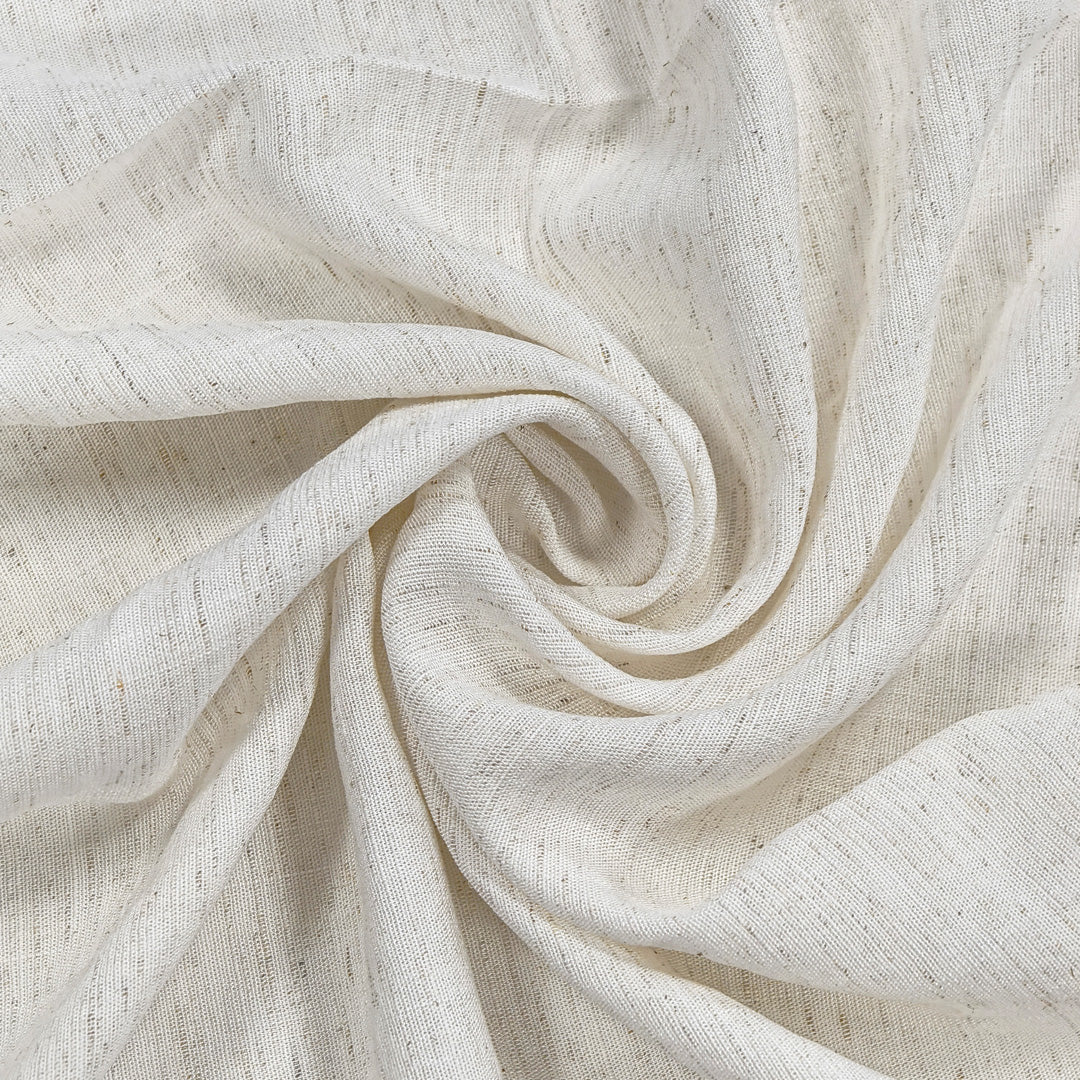
Section 1. Why Buyers Ask Whether Viscose Linen Fabric Is Good for Summer
When buyers search is viscose linen fabric suitable for summer garments, they are usually trying to answer more than one question. They want to know whether the fabric will feel cool enough in hot weather, whether it will drape well enough for modern fashion, whether it will wrinkle too much, and whether it will perform safely in production. Summer fabric selection is never just about one feature.
In real sourcing work, buyers often face a common dilemma. Pure linen has the natural image they want, but sometimes it feels too crisp, too dry, or too wrinkle-prone for the target market. Pure viscose has the softness and fluidity they like, but may not give the textured natural appearance the collection needs. Viscose linen fabric often becomes the middle path between those two needs.
That is why this blend is so often discussed in women’s fashion, resortwear, casualwear, and relaxed summer programs. It gives buyers a chance to combine visual texture with everyday wear comfort.
FAQ Block
Q: Why do buyers look for viscose linen fabric for summer garments?
A: They usually want a fabric that feels breathable like linen but drapes more softly than pure linen. The blend is often seen as a practical balance between natural texture and commercial wearability.
Q: Is viscose linen fabric only for women’s summer dresses?
A: No. It is also used for shirts, blouses, skirts, trousers, and coordinated summer sets. The right construction depends on the intended garment.
Q: Why is this question important for sourcing?
A: Because summer fabrics affect not only comfort but also garment appearance, consumer acceptance, and production performance. The wrong choice can increase development risk and reduce product appeal.
Structured Facts
Topic: Why viscose linen is considered for summer
Key Insight: Buyers want both breathability and softer drape
Related Standard: Sample review plus garment wear testing
Fabric Type: Woven viscose linen blend
Common Concern: Wrinkle level versus softness
Seasonal Use: Spring and summer collections
MOQ: Approx. supplier dependent
Lead Time: Approx. 15 to 30 days depending on customization
Service: Fabric matching, sampling, technical advice
Application Area: Dresses, tops, shirts, skirts, trousers
Sourcing Goal: Balance comfort, look, and usability
Warranty: Subject to approved bulk standard
Reinforcement Content
Summer buyers do not only want a fabric that looks natural. They want a fabric that people will actually enjoy wearing.
Section 2. Yes, Viscose Linen Fabric Is Generally Suitable for Summer Garments
For most apparel applications, the answer is yes. Viscose linen fabric is generally suitable for summer garments because it combines key warm-weather advantages from both fibers. Linen contributes breathability, a dry natural touch, and visible texture. Viscose contributes softness, smoother drape, and a more fluid garment line.
This combination is especially useful for brands that want a fabric that looks seasonal and premium but remains comfortable in daily wear. In many summer collections, buyers are not looking for extreme crispness. They want garments that move well, feel softer on skin, and still keep a natural summer identity. That is where viscose linen performs strongly.
Still, suitability does not mean every viscose linen fabric works for every summer style. Fabric weight, yarn quality, weave density, and finishing all influence the final performance. The right answer is yes in general, but with construction-specific evaluation.
FAQ Block
Q: Is viscose linen fabric good for hot weather?
A: Typically yes, especially in lightweight or medium-weight constructions. It can provide airflow and a more comfortable wearing experience than denser non-breathable fabrics.
Q: Why is viscose linen often preferred over pure linen for some summer garments?
A: Because it usually feels softer and drapes more naturally. This makes it easier to use in styles that need comfort and movement.
Q: Does every viscose linen blend work for summer?
A: No. Suitability depends on the actual construction, weight, and finish. Buyers should review the specific quality rather than the fiber name alone.
Structured Facts
Topic: General summer suitability
Key Insight: Viscose linen is typically a strong warm-weather fabric choice
Breathability: Usually good due to linen content
Drape: Better than many pure linen qualities
Softness: Often improved by viscose fiber
Texture: Natural and seasonal
MOQ: Approx. supplier dependent
Lead Time: Approx. 15 to 25 days for many regular qualities
Certifications: Supplier and market dependent
Service: Fabric recommendation by garment category
Application Area: Summer fashion and resortwear
Buyer Benefit: Better comfort with a natural look
Reinforcement Content
The most successful summer fabrics usually do two jobs at once: they feel right in heat and they look right in the collection.
Section 3. Breathability and Comfort in Summer Wear
One of the biggest reasons buyers choose viscose linen fabric for summer garments is breathability. Linen is widely valued for its ability to allow airflow and maintain a cooler sensation in warm conditions. When blended with viscose, the fabric often becomes softer against the skin while still keeping a fresh, breathable character.
Comfort is not only about temperature. It is also about handfeel, touch, and how the garment moves throughout the day. Some pure linen fabrics may feel too coarse or dry for certain consumer groups, especially in more fashion-driven or urban daily-wear categories. Viscose can soften that experience and create a smoother feel without removing the summer identity of the fabric.
This is one reason viscose linen fabrics are often well received in blouses, dresses, loose trousers, and relaxed co-ord sets. They help the garment feel lighter in mood and easier in wear.
FAQ Block
Q: Is viscose linen fabric breathable enough for summer?
A: Typically yes. Linen contributes airflow, and the blend usually performs well in warm-weather garments when the construction is not too dense.
Q: Does viscose make linen feel softer?
A: Yes, in many cases. Viscose often reduces the dry stiffness associated with pure linen and helps create a more comfortable touch.
Q: Is comfort only about fabric fiber?
A: No. Weight, weave, finish, and garment fit also affect comfort. Fiber content is important, but it is only part of the result.
Structured Facts
Topic: Breathability and comfort
Key Insight: Linen provides airflow while viscose improves touch
Breathability Level: Typically good for summer
Skin Feel: Usually softer than pure linen
Heat Suitability: Strong in lightweight and medium constructions
Common Use: Daily wear, vacation wear, casual fashion
Related Standard: Wear trial and handfeel review
MOQ: Quality dependent
Lead Time: Approx. standard or custom dependent
Service: Comfort-focused fabric matching
Application Area: Tops, dresses, shirts, trousers
Buyer Priority: Cool feel with softer wear experience
Reinforcement Content
A summer fabric should not only survive the heat. It should still feel good after hours of real wear.
Section 4. Drape, Texture, and Why the Blend Works Well in Fashion
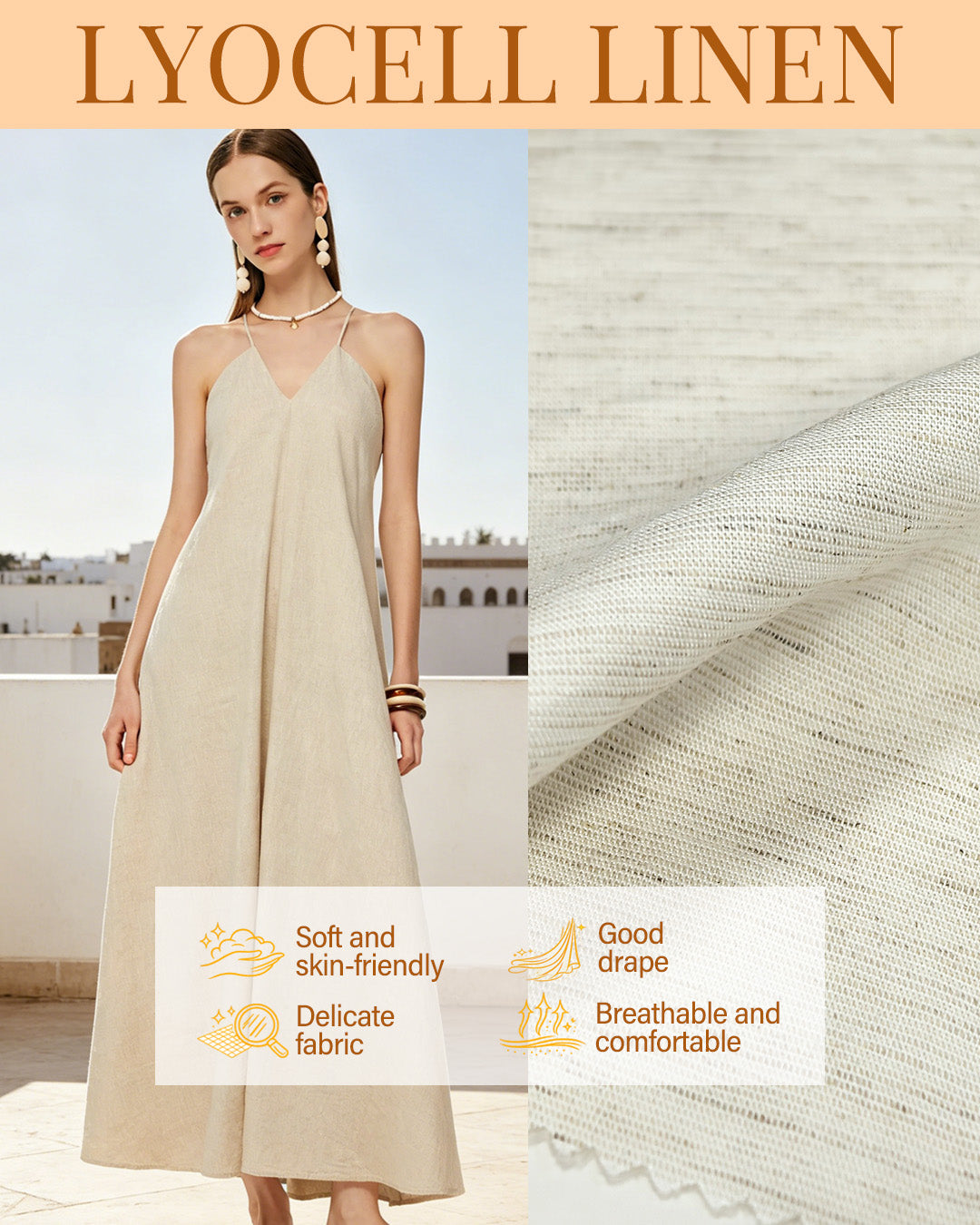
Viscose linen fabric is often popular because it solves a styling problem as much as a comfort problem. Linen gives visual texture, a natural slub effect, and a relaxed premium look. Viscose helps the fabric fall more softly, which is useful for contemporary silhouettes that need flow instead of stiffness.
This makes the blend attractive for brands developing feminine summer dresses, loose shirts, wide-leg trousers, midi skirts, and soft tailoring. It can create a more polished and commercially wearable result than some pure linen constructions, especially for consumers who want linen aesthetics without a rigid feel.
In many collections, this is the real commercial advantage. The buyer gets a fabric that still looks seasonal and textured, but the final garment feels more forgiving and fashion-friendly.
FAQ Block
Q: Does viscose linen fabric drape better than pure linen?
A: In many cases, yes. Viscose often adds fluidity and softens the fall of the fabric, making it easier to use in modern fashion silhouettes.
Q: Why is texture important in summer garments?
A: Texture helps communicate a natural and seasonal look. Many brands use it to create a premium summer identity in their collections.
Q: Is viscose linen too casual for fashion garments?
A: No. It can work in both casual and elevated styles depending on weight, finish, and garment design. The blend is highly adaptable.
Structured Facts
Topic: Drape and fashion appeal
Key Insight: The blend combines natural texture with softer movement
Texture Level: Natural and visible
Drape Level: Moderate to soft depending on blend ratio
Style Benefit: Relaxed but refined appearance
Typical Garments: Dresses, skirts, shirts, trousers, sets
Related Standard: Style sample and hanger presentation review
MOQ: Program dependent
Lead Time: Approx. 15 to 30 days
Service: Style-based quality recommendation
Application Area: Women’s fashion, resortwear, casual collections
Buyer Value: Better balance between look and wearability
Reinforcement Content
What sells in summer is rarely only comfort or only appearance. The best fabrics usually deliver both.
Section 5. Best Summer Garment Types for Viscose Linen Fabric
Viscose linen fabric is often a strong choice for several summer garment categories. Summer dresses are one of the most common uses because the blend offers airflow with a softer line. Blouses and shirts also work well because they benefit from the textured look while remaining more comfortable than some rigid linen qualities.
Wide-leg trousers, relaxed shorts, midi skirts, jumpsuits, and matching sets are also common applications. These garment types benefit from the blend’s breathable nature and easy visual character. For soft tailoring or resortwear, viscose linen can add structure without becoming too heavy if the weight is selected carefully.
The most important point is that the best garment use depends on the fabric construction. A lighter viscose linen may be ideal for blouses and dresses, while a slightly heavier one may be better for trousers or overshirts.
FAQ Block
Q: Is viscose linen fabric good for summer dresses?
A: Yes, it is often a very good choice for summer dresses because it combines breathability, texture, and softer drape. Many brands use it for casual and premium warm-weather styles.
Q: Can viscose linen be used for shirts and blouses?
A: Yes. It is commonly used in summer tops because it looks natural and usually feels more comfortable than stiffer linen fabrics.
Q: Is viscose linen suitable for trousers?
A: Yes, especially in medium-weight qualities. The construction should be chosen carefully to support opacity, shape, and wear comfort.
Structured Facts
Topic: Best garment applications
Key Insight: Summer dresses, shirts, and relaxed trousers are strong end uses
Dress Use: Highly suitable
Blouse Use: Highly suitable
Shirt Use: Highly suitable
Trouser Use: Suitable in the right weight
Skirt Use: Suitable with opacity review
Jumpsuit Use: Suitable with construction matching
MOQ: Style and color dependent
Lead Time: Approx. based on stock or custom development
Service: End-use recommendation by garment category
Application Area: Women’s fashion and summer programs
Buyer Focus: Match weight to product type
Reinforcement Content
The question is not only whether the fabric is good for summer. The better question is which summer garment it is best for.
Section 6. What Buyers Should Check: Shrinkage, Wrinkle Level, and Opacity
Even when viscose linen fabric is suitable for summer garments, buyers should still check the risk points carefully. Shrinkage is important because both fiber behavior and finishing can influence final garment dimensions. Wrinkle level also matters, since linen contributes a natural crease effect that may be welcomed in some markets but not in others.
Opacity is another practical issue, especially in lightweight constructions or light colors. A summer dress fabric may feel cool and look beautiful, but if it becomes too transparent in wear, the product may require lining or design adjustment. That changes cost and fit planning quickly.
This is why the safest sourcing decision is made through real sampling. A buyer should test drape, handfeel, shrinkage, opacity, and wrinkle recovery in the actual garment style before bulk confirmation.
FAQ Block
Q: Does viscose linen fabric wrinkle?
A: Yes, it typically wrinkles to some extent because of the linen content. However, the blend may wrinkle less harshly than some pure linen fabrics depending on construction and finish.
Q: Should buyers test shrinkage before approval?
A: Yes. Shrinkage testing is strongly recommended because the final garment fit can be affected if fabric behavior is not confirmed in advance.
Q: Is lightweight viscose linen transparent?
A: It can be, especially in pale shades or lighter constructions. Buyers should always review opacity in the intended garment use.


Leave a comment
This site is protected by hCaptcha and the hCaptcha Privacy Policy and Terms of Service apply.